A beautiful, well-maintained lawn is one of the standout features of any home. It frames the garden, boosts kerb appeal, and creates a welcoming outdoor space for family and friends. But the secret behind a healthy, vibrant lawn isn’t complicated fertilisers or expensive equipment, it’s understanding lawn care, especially the correct mowing frequency.
Mowing too often can weaken your grass, while mowing too infrequently can cause scalping, weed invasion, and long-term thinning. This comprehensive guide explains how often to mow your lawn, how the one-third rule works, why frequency varies by season, and how routine cutting contributes to stronger, greener grass.
By the end, you’ll have a fully structured lawn care plan that fits every month of the growing season.
The One-Third Rule: The Foundation of Good Lawn Care
At the heart of effective lawn care lies one fundamental principle:
Never remove more than one-third of the grass blade in a single mow.
This rule protects the lawn from stress, encourages deep root development, and ensures that the grass continues to grow thickly.
Why the One-Third Rule Matters
Grass needs its leaf surface to photosynthesise. Cutting too much at once weakens the grass, starves the root system, and slows down recovery. When grass is shocked by excessive cutting, it becomes:
- More vulnerable to disease
- Less able to retain moisture
- Thinner and patchier
- Weaker against foot traffic
Sticking to the one-third rule is one of the simplest ways to maintain consistent lawn health without the need for chemicals or specialist equipment.
Applying the Rule in Real Life
If your mowing height is set to 1 inch, mow when your lawn reaches 1.5 inches.
If your mower is set to 1.5 inches, mow at 2.25 inches.
The higher the mowing height, the longer you can wait between cuts — ideal for busy homeowners.
This rule allows you to mow “little and often”, which is one of the cornerstones of sustainable lawn care.
How Often Should You Mow Your Lawn? The Complete Lawn Care Timeline
Your mowing schedule should adapt to the seasons. Weather, growth rate, and soil moisture all influence how quickly your lawn grows. Below is a detailed breakdown for the UK climate.
Spring (March – May)
Spring marks the start of the growing season. Grass wakes from winter dormancy and grows at a steady rate.
Recommended mowing frequency:
- Rotary mowers: Every 7–10 days
- Cylinder mowers: Every 3–5 days for a fine ornamental finish
Spring lawn care tip:
Raise your mower slightly at the start of the season, then gradually lower it as growth becomes stronger.
Early Summer (June)
June is typically the period of fastest growth.
- Mow once a week for most lawns
- For premium lawns, mow twice weekly
Grass grows thick and upright during this period, and frequent mowing encourages density.
High Summer (July – August)
During very dry or hot weather, growth slows significantly.
Recommended mowing frequency:
- Rotary mower: Once every 14 days
- Cylinder mower: Once a week
Lawn care tip:
Raise the mowing height by one setting to help the lawn retain moisture and shade the soil beneath.
Autumn (September – October)
Autumn growth picks up again before slowing for winter.
- Rotary mower: Every 7–10 days
- Cylinder mower: Every 3–5 days
This period is ideal for:
- Scarifying
- Aerating
- Overseeding
- Applying autumn lawn feed
Good autumn lawn care ensures your grass enters winter strong and disease-resistant.
Winter (November – February)
In winter, lawn mowing becomes minimal.
- Mow only if the weather is mild and the grass is still growing
- Never mow when the ground is frozen or waterlogged
The grass needs this resting period to recover and rebuild energy.
Why Frequent Mowing Is Essential for Lawn Health
Consistent mowing is one of the most underrated but effective lawn care techniques.
When you mow regularly:
- Grass becomes denser and thicker
- Roots grow stronger and deeper
- The lawn naturally resists weeds, moss, and thatch
- The surface becomes more even and cushioned
A dense lawn is the best natural weed control system — weeds simply cannot compete when grass forms a thick canopy.
Weekly Mowing Encourages Lateral Growth
Grass reacts to mowing by growing sideways as well as upwards. This produces:
- A softer, greener surface
- Better recovery from wear
- Increased resilience
This is why gardens maintained weekly by professionals always look fuller and greener compared to lawns cut every few weeks.
The Consequences of Infrequent Mowing
Not mowing regularly enough is one of the most common causes of lawn damage.
What Happens If You Leave Grass Too Long?
Grass becomes:
- Top-heavy
- Weak at the base
- Prone to scalping (cutting too short)
- More susceptible to drought stress
Once scalped, the grass may die back, leaving bare patches which quickly fill with weeds or moss.
Weed Grasses Thrive When You Don’t Mow
If you leave the lawn for more than two weeks:
- Annual meadow grass begins seeding
- Creeping weeds spread before you notice
- Coarse grasses dominate fine turf
Regular mowing is vital for weed control, especially in summer.
How Mowing Height Affects Lawn Care
Your mowing height influences everything from root depth to drought resistance.
Low Cutting (1–2 cm)
Suitable for ornamental lawns only. Requires:
- Daily mowing
- Cylinder mower
- Excellent soil and drainage
Not suitable for most UK gardens.
Medium Cutting (2.5–4 cm)
Best for everyday family gardens.
Benefits:
- Balanced growth
- Stable root system
- Reduced weed presence
- Soft texture
High Cutting (4–6 cm)
Ideal for:
- Shady lawns
- Heavily used gardens
- Hot, dry summers
Longer grass shades the roots and protects the lawn from stress.
Seasonal Growth, Weather, and Lawn Care
Growth rates depend heavily on weather conditions, especially temperature and rainfall. High moisture and mild conditions promote rapid growth, while drought slows everything down.
Rainy Weeks = Faster Growth
You may need to mow twice weekly in wet months.
Heatwaves = Slower Growth
Raise the mowing height and reduce frequency.
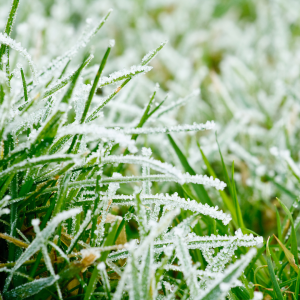
Frosty Weather = No Mowing
Frozen grass blades snap easily, causing bald patches.
Lawn care is not about sticking to a rigid schedule — it’s about adapting.
Combining Mowing with Other Lawn Care Practices
To maximise lawn health, mowing should be paired with:
- Fertilising (spring and autumn)
- Scarifying (once yearly)
- Aerating (once or twice yearly)
- Overseeding (autumn is best)
- Watering properly during dry spells
Mowing alone cannot fix a neglected lawn, but it enhances every other lawn care method.
Maintaining a Healthy Lawn All Year Round
To summarise the essential lawn care principles:
- Follow the one-third rule
- Mow little and often
- Adjust mowing height with the seasons
- Avoid leaving grass uncut for more than 10–14 days
- Keep mower blades sharp
- Raise your mower in drought
- Never mow wet or frozen grass
With these habits, any homeowner can achieve a thick, healthy, and consistently green lawn.
Professional Lawn Care Services by Anastasia’s Eden LTD
At Anastasia’s Eden LTD, we provide expert lawn care services across Bedfordshire, Hertfordshire, and Cambridgeshire. Our professional team offers:
- Weekly or fortnightly lawn mowing
- Lawn health assessments
- Scarifying and aerating
- Edging and strimming
- Seasonal feeding
- Complete garden maintenance
If you want a perfectly maintained lawn without the time or hassle, we’re here to help.
Contact Anastasia’s Eden LTD today for reliable, high-quality lawn care that keeps your garden looking beautiful all year round.